
European Glass Bottle Waste Tax 2025: Challenges for Spirits & Beverage Packaging — and Ceramic Bottle Opportunities
Date: September 26, 2025 Categories: Industry Insights Views: 780
Excerpt:
By the end of 2025, the EU will introduce a glass waste tax, raising costs for industries relying on glass bottles. Ceramic bottles, exempt from the levy, provide premium branding, eco-friendly reuse, and higher margins. Merfons offers OEM & ODM solutions in glass and ceramic bottles, helping brands adapt to new regulations with customized, high-end packaging.
By the end of 2025, all European Union member states are expected to implement a glass bottle waste processing levy. Known in industry as the Glass Waste Tax, this measure aims to accelerate Europe’s shift toward a circular economy by funding the collection, sorting, and reprocessing of glass packaging.
While environmentally sound in principle, the policy is generating concern among manufacturers, brand owners, and traders of spirits, beverages, perfumes, and aroma products — sectors long reliant on glass bottles. Rising compliance costs are prompting forward-thinking companies to explore ceramic bottles as a partial or complete replacement.
Why Glass Is Targeted for Waste Levy
Glass is traditionally viewed as highly recyclable. It can be melted and reshaped without losing quality. Yet, large-scale recycling faces practical and environmental challenges:
- High Energy Demand: Melting cullet requires furnace temperatures above 1,500°C.
- Carbon Emissions: Collection, transport, and remelting produce measurable CO₂ output.
- Recycling Inefficiency: Colored, coated, or contaminated glass reduces recovery rates, sending some waste to landfill.
The levy will require producers and importers to cover these costs through additional taxes.
Why Ceramic Bottles Are Not Yet Taxed
Ceramic containers fall into different waste categories:
- Eligible for secondary use in construction as aggregate or decorative tiles.
- Often retained as home ornaments and not entering the waste chain.
- Low waste volume means ceramics are not a current target of EU packaging levies.
This creates a regulatory window: ceramic bottles for spirits or high-end beverages can avoid taxes affecting equivalent glass bottles.
Price vs Market Positioning
Ceramic bottles cost more per unit due to smaller production scale and more complex designs. However, they deliver significant ROI:
- Premium Image: Texture, finish, and design flexibility align with luxury positioning.
- Brand Differentiation: Stand out from transparent glass competitors.
- Margin Growth: Packaging elevates perceived value, supporting higher retail prices.
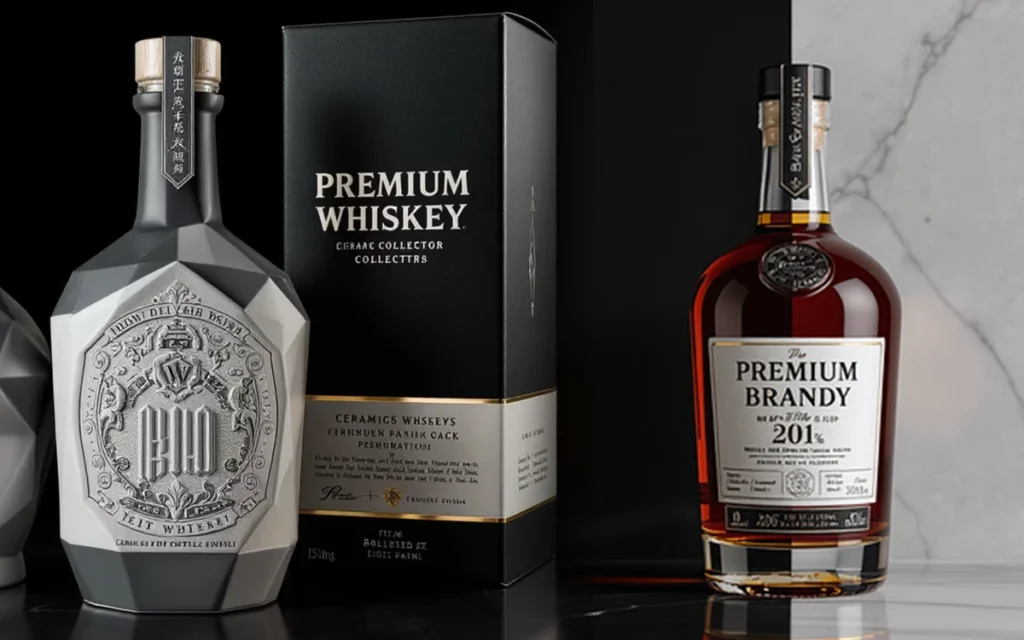
Extra Advantages Beyond Branding
Extended Product Life Cycle
Consumers often reuse ceramic bottles as decorative pieces or functional vases after finishing the product, keeping the brand visible in homes.
True Second Life as Building Material
Broken ceramics can be processed into construction or interior materials — fitting into EU eco-design goals and avoiding landfill accumulation.
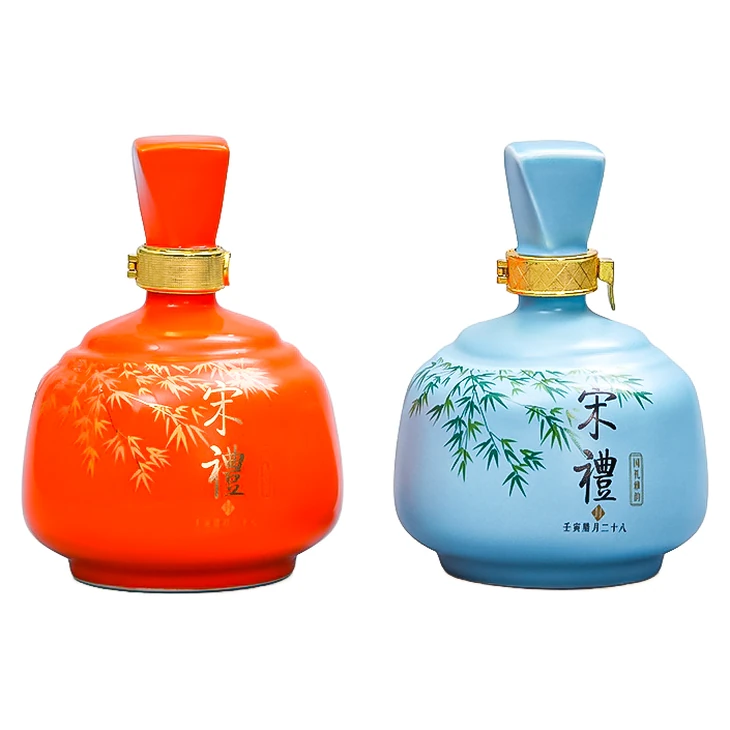
35-Year Expert Comparison: Ceramic vs Glass
| Criteria | Glass Bottles - Strengths | Glass Bottles - Weaknesses | Ceramic Bottles - Strengths | Ceramic Bottles - Weaknesses |
|---|---|---|---|---|
| Unit Cost | Cheap mass production | Levy inflates total cost | Premium positioning | Higher unit price |
| Recycling | Established system | High energy & emissions | Home/Construction reuse | Less formal recycling infrastructure |
| Brand Impact | Showcases clarity | Common shelf competition | Distinctive, artistic | Needs design alignment |
| Durability | Lighter weight | Fragile in transport | Impact-resistant | Heavier logistics |
| Policy Risk | Targeted by upcoming tax | Rising costs | Not taxed currently | Policy could change |
Case Studies
Chinese Baijiu Export to Europe
Switching from glass to blue-and-white porcelain bottles with cultural motifs repositioned the product as a premium gift item, raising price by 25% and export sales by 18%.
Spanish Craft Gin Limited Edition
Local ceramic studio designed collectible bottles, generating social media buzz and selling out in two weeks, also boosting regular product sales.
Conclusion: Preparing for 2025
The EU glass waste levy is challenging brands reliant on glass. Ceramic bottles offer premium differentiation, margin growth, and currently avoid the levy — making them a strategic choice for upcoming regulatory shifts.
Merfons: Your OEM & ODM Partner
With 35 years of manufacturing experience in glass and ceramic bottles, Merfons delivers:
- Full ceramic bottle customization: capacity, shape, glaze, print, embossing
- Compliant export packaging for EU regulations
- Integrated OEM / ODM production and logistics
- Matching gift boxes and closures